



















Shining at CCCC 2026: BMV Reshapes the Critical Care Ecosystem with N-Series Monitors, MX Handheld Ultrasound, and BVI Endoscopes
The 17th Annual Meeting of the Critical Care Medicine Physicians Branch of the Chinese Medical Doctor Association and the Critical Care Medicine Conference (CCCC2026) was grandly convened. At this premier academic event in the field of critical care medicine, BMV showcased its comprehensive portfolio of core diagnostic and life-support solutions—specifically engineered for the demanding environments of emergency departments and intensive care units (ICUs)—with a special focus on the N-series high-resolution vital signs monitors, MX-series wireless handheld ultrasound systems, and BVI-series digital endoscopy systems.
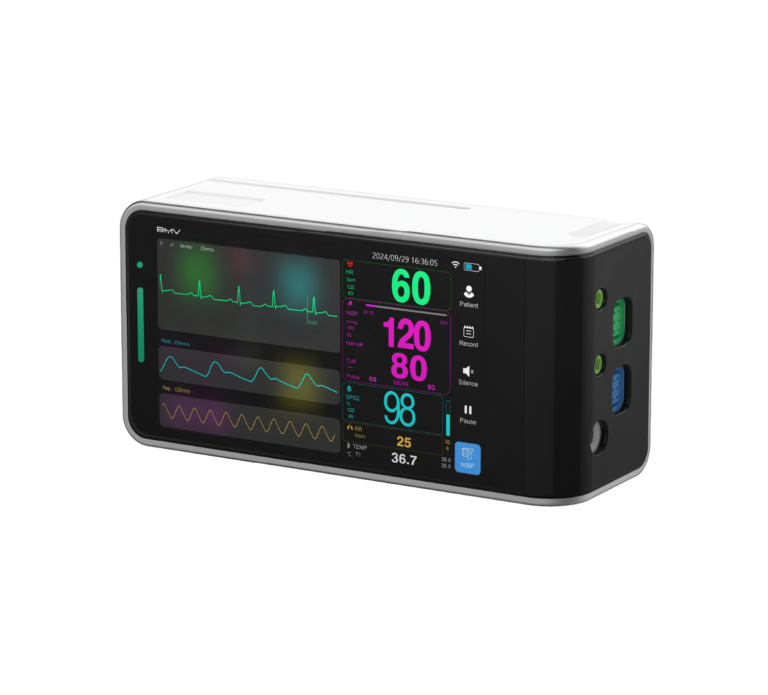
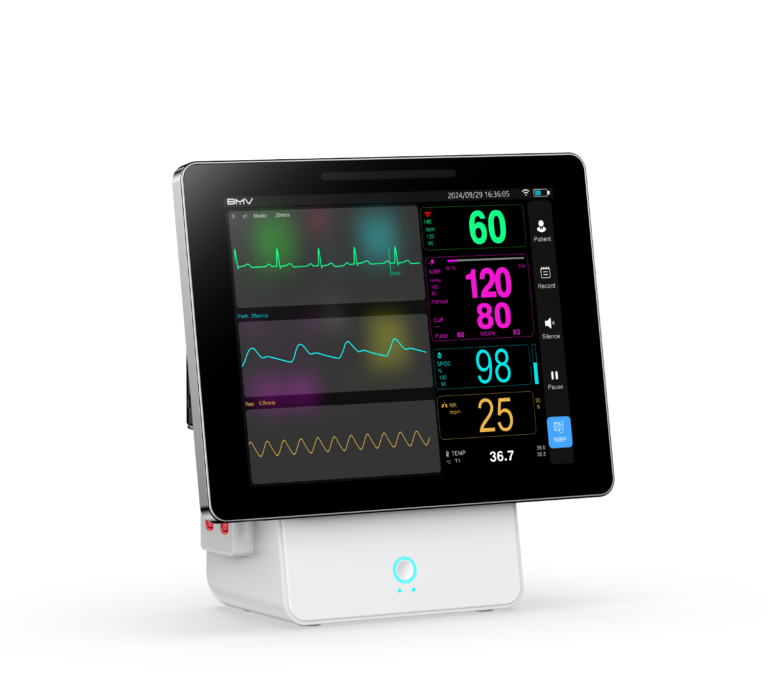
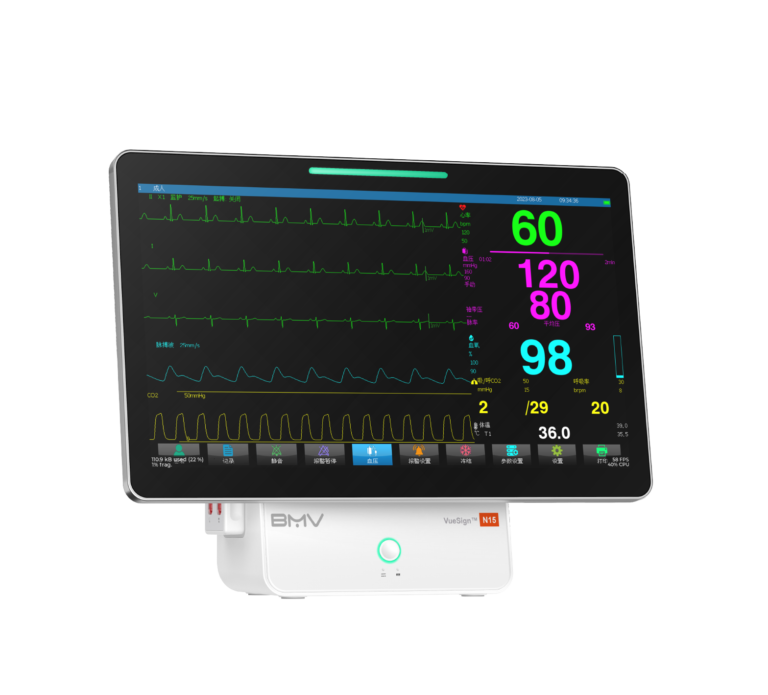
In the critical moments of intensive care, precise and interference-resistant data feedback is key to successful resuscitation. BMV’s N6 and N12/N15 patient monitors are specifically designed for demanding intensive care environments. These devices feature large, high-definition touchscreens that integrate monitoring capabilities for core vital signs—including NIBP, SpO2, ECG, and EtCO2. To address the low-perfusion states often seen in critically ill patients, the N-series incorporates specialized algorithmic optimizations; combined with dual hardware and software anti-interference technologies, the devices deliver highly accurate readings even in the presence of weak pulses or severe motion artifacts. Furthermore, the fanless design effectively reduces the risk of cross-contamination in the ICU, while the rugged, drop-resistant, and waterproof housing significantly enhances durability for use in complex medical settings.
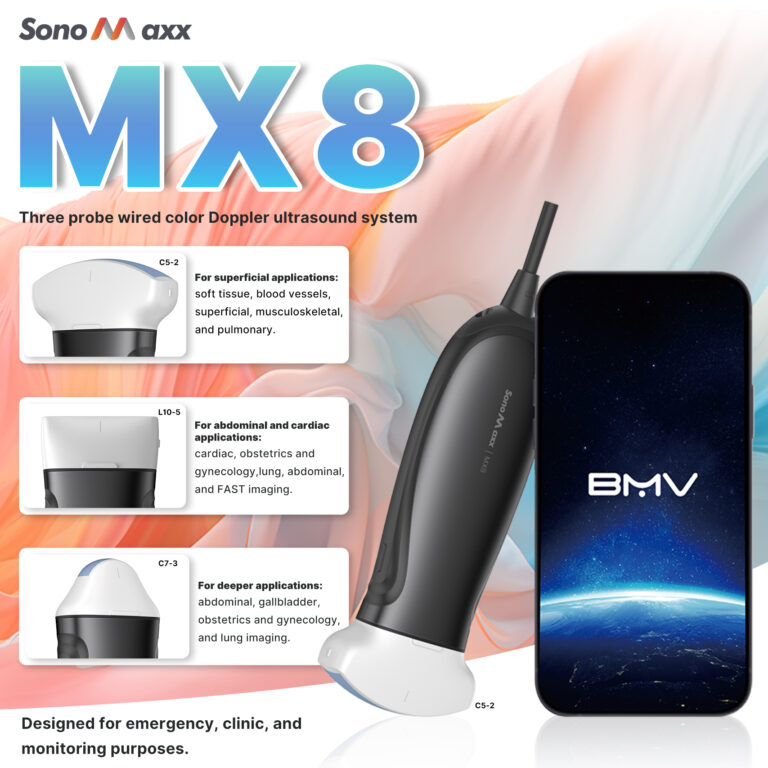
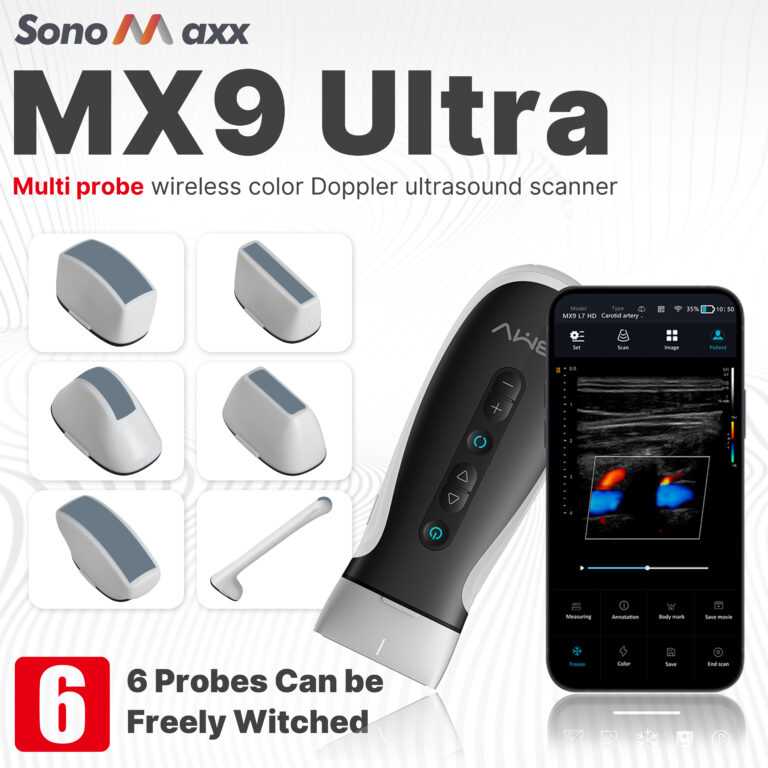
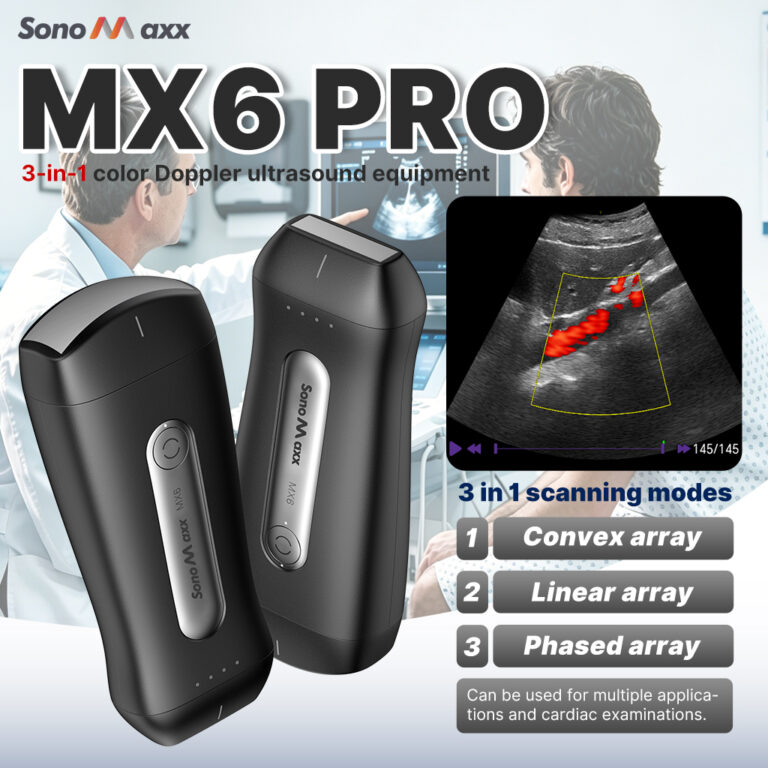
Point-of-care ultrasound (POCUS) has become an indispensable “visual stethoscope” for critical care physicians. At this conference, the MX series of wireless handheld ultrasound systems (including the MX8, MX9 Ultra, and MX6 Pro) from BMV attracted significant attention. These devices eliminate the constraints of traditional ultrasound cables and feature an ultra-lightweight design; for instance, the MX9 Ultra wireless probe weighs only about 230g. They support direct connection to smartphones, tablets, and computers via Wi-Fi or a Type-C interface, delivering rapid imaging within just four seconds of startup. Utilizing a design with hot-swappable probes (such as linear, convex, and phased arrays) or an all-in-one probe, emergency and ICU physicians can use a single pocket-sized device to instantly perform high-quality bedside assessments of the heart, abdomen, blood vessels, and superficial tissues, thereby securing critical time for emergency interventions.
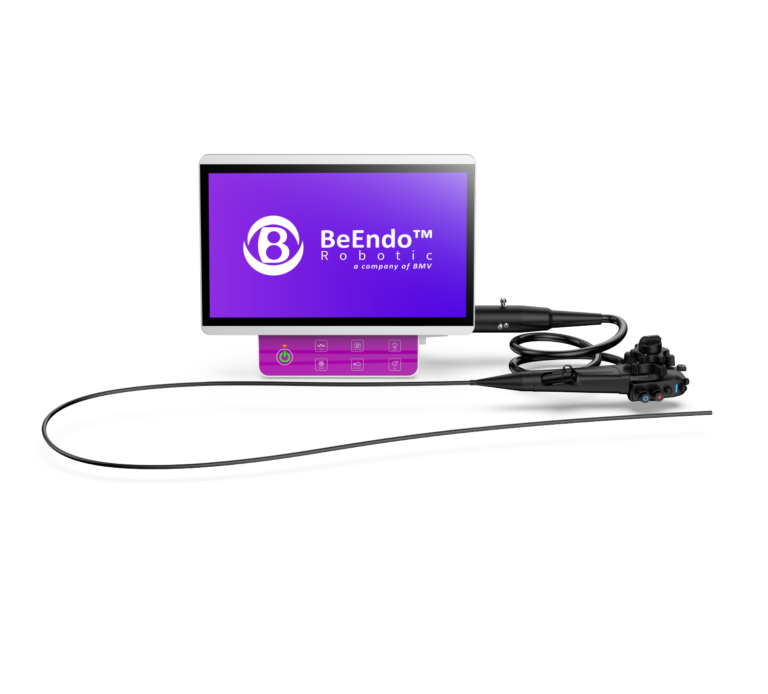
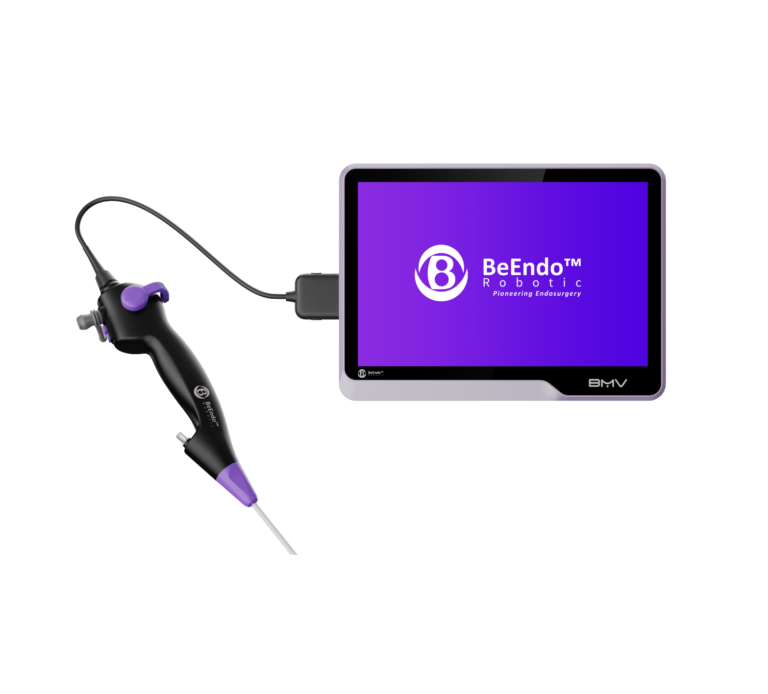
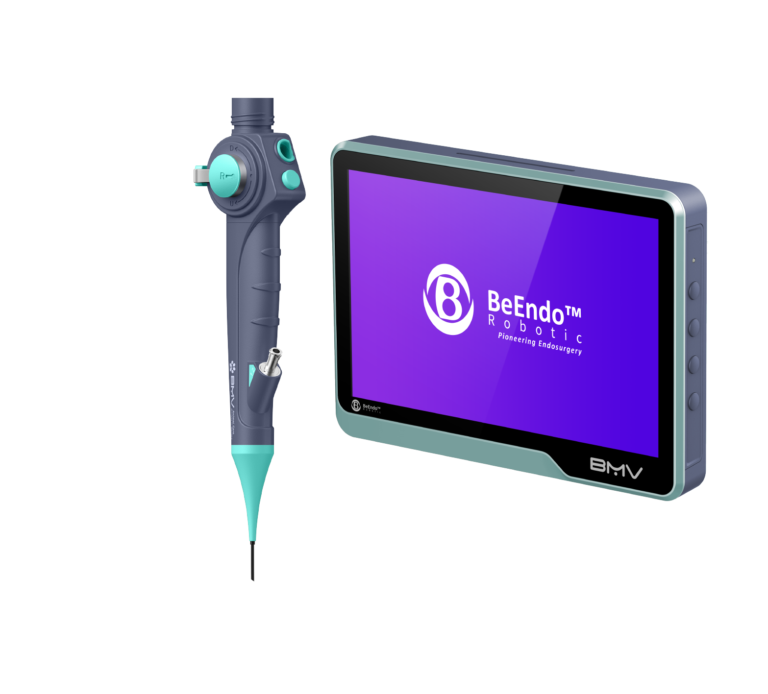
In critical airway management and emergency minimally invasive interventions, both clear visualization and the control of healthcare-associated infections are indispensable. BMV showcased the BVI-36 Pro integrated digital endoscopy system, powered by a robust all-digital image processing engine and featuring an intelligent LED light source alongside CBI composite staining imaging technology; it also supports the hot-swapping of both flexible and rigid scopes. To address the high risk of cross-infection in ICUs, BMV highlighted the BVI-25 and BVI-22 endoscopes. These devices feature an ultra-slim 5mm diameter—perfectly suited for narrow airways—and offer the absolute hygiene of a single-use design. Ready for immediate use without the need for warm-up or complex sterilization procedures, they ensure high-definition visualization while completely eliminating the risk of cross-infection, thereby greatly optimizing bedside endoscopic diagnosis and treatment workflows for critically ill patients.
Building on the in-depth exchanges at CCCC2026, BMV remains committed to driving the upgrade of critical care medical equipment through core technological innovation, empowering clinicians worldwide with an impenetrable safety barrier and diagnostic tools that deliver both speed and precision.